
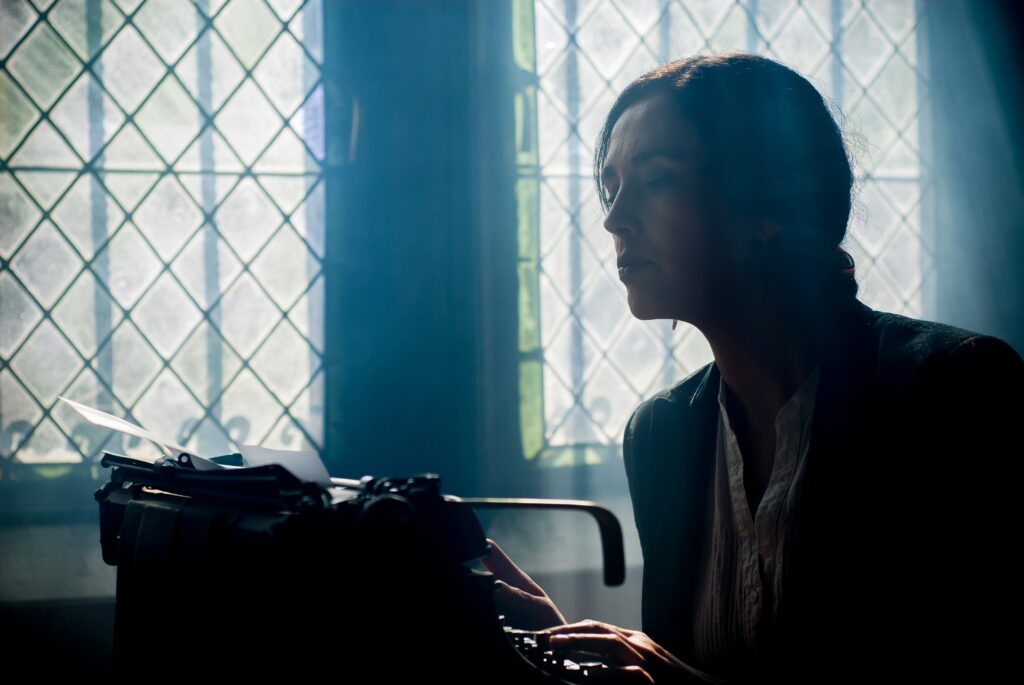
You’ve set aside time to write. You sit down at your desk, open your laptop or notebook, and then— you get up to make coffee. You glance out of the window. You pick up a duster and start wiping down the desk… Sound familiar? I don’t know a single writer who hasn’t suffered from this kind of displacement activity when they’re trying too hard. I most certainly have.
The question is: Why do we do this, and how can we gently guide ourselves back to writing?
Displacement Activity: What’s Really Going On
Displacement activity isn’t just procrastination; it’s often a response to stress, overwhelm, or fear of failure. Our brains seek out “productive” distractions to avoid the discomfort of starting or continuing a challenging task. The good news is that understanding this is what is happening can help us be kinder to ourselves. We can find ways to work with—not against—these tendencies.
Banishing that Woeful Feeling of Overwhelm
Some say that displacement activity is a sign of not being adequately prepared. Perhaps I haven’t had a clear enough idea of what I wanted to write. The story feels too big, the scene too complex, the blank page too daunting.
I have been there and have come to realise that it’s not the lack of preparation but the overwhelm that can well up because of that, or all the other things we think we should somehow be doing simultaneously, underpinning my fidgets.
One solution is to be kind to ourselves about our targets. This can be achieved by breaking our writing down into bite-sized chunks. Instead of thinking, “I’ll write a whole chapter,” we can focus on a single moment: What does the setting look like? What’s one intriguing detail about my antagonist? What’s a telling line of dialogue that might spark the next scene?

Turning Writers’ Displacement Activity Into a Tool
We can always step away for a short walk or even tidy up, to help ideas percolate in the background. The trick is to set a time limit—five or ten minutes of “productive distraction”— before gently returning to the page.
Playfulness Over Perfection
If sitting down again feels hard, why not be playful about our characters’ traits or even our plot? Freedom from rigidity, from ‘following the rules’, can lead to joyful revelations, words that may not wind up in the final draft but that carry us forward in our knowings about who, what, where, when and, above all, why.

Another approach, if we have a tough scene to write, would be to sketch out the setting or what’s going on inside a different character’s head from the main protagonist. I thoroughly recommend writing a scene from your antagonist’s perspective.
Or exploring unexpected plot twists “just for fun” can also lead to a-ha-s.
The Power of Accountability
Having a deadline with a book coach, a submission deadline, or even a date with a writing buddy can provide that extra push that keeps us focused. I’ve found that knowing someone is expecting my work—whether it’s a coach, an editor, or a self-imposed deadline—helps me push through avoidance, and get those words down on the page.
You are a writer!
Writers’ Displacement Activity Can Add up to Time Well Spent
It’s not always wasted time. Sometimes, our brain needs to process ideas before we’re ready to put them into words. When that starts to keep us from writing altogether, we can gently redirect ourselves with small steps: by being kind to ourselves, maintaining a playful mindset, a little outside accountability…
From an Overcomer
We set aside time to write—that’s the discipline. What we choose to write in that time? That’s where we can give ourselves a little Grace. Jude does:
“Dear friends, although I was very eager to write to you about the salvation we share, I felt compelled to write and urge you to contend for the faith that was once for all entrusted to God’s holy people.” Jude 3

What are your favourite ways to get back into writing mode? I’d love to hear your thoughts!
Sign up in the sidebar to receive my newsletters from Jerusalem and notifications of my blog posts.

Loved this article, Bobbie.
This reminds me of Anne Lamont’s famous words on her approach to overwhelm. They have served me well too… “bird by bird. “